
IFJ 2025 list: 128 media workers killed - what it means for journalists and news teams


The International Federation of Journalists (IFJ) final 2025 list records 128 journalists and media workers killed, including 10 women. It is a hard read. It should be.
We support the IFJ’s work. This list is not about headlines. It is about people. And it is a prompt for action inside the media industry. Because if you report, film, produce, fix, edit, or commission coverage in high-risk places, you already know the truth - risk is not rare. It is part of the operating environment.
This guide references the IFJ report and turns it into a practical plan for working journalists and news teams. It also explains why standard travel insurance often fails in conflict zones and civil unrest, and what specialist media cover is designed to do differently.
Get a quote now
Why the IFJ list matters to working journalists
The IFJ list covers different regions and different threat types, from active war to targeted killings. But the pattern is familiar to anyone in the field - danger shows up in more places than people expect. Not only on the front line, but on roads, at checkpoints, during unrest, and in day to day reporting where hostile actors know exactly who you are.
There is another truth that often gets missed in safety planning - the people at highest risk are often the ones who cannot leave when the story ends. Local journalists, local camera operators, local producers, and fixers can face risk before, during and after publication.
So the right question is not “is this assignment risky?” The question is “what are we doing to reduce harm and what support is in place if prevention fails?”
Impunity changes the game - it makes violence repeatable
The IFJ frames the list in the context of impunity. That matters because impunity turns violence into a tool. If attackers expect no consequences, intimidation becomes routine, and targeting becomes easier to repeat.
For journalists, that leads to three practical implications:
- You cannot assume the threat is random. Visibility itself can be a risk factor.
- You cannot assume conditions stay stable. Power shifts quickly. Routes close. Permissions change. Checkpoints appear.
- You cannot assume time reduces risk. For some people, the danger rises after the piece is published.
This is not an argument for fear. It is an argument for structure. A clear safety plan, a clear decision chain, and cover that matches the reality of your work.
Duty of care in media: what it looks like in real life
Duty of care is often talked about like a policy document. In real life it is a set of decisions that change outcomes.
If you are a newsroom leader, editor, producer or assignment manager, duty of care means you should be able to answer these questions clearly:
- Have we assessed the actual risks of this assignment, not a generic template?
- Is the deployment voluntary, informed, and properly briefed?
- Do we have a working comms plan that survives stress?
- Do we know where credible medical care is, and how we would reach it?
- Do we know who authorises emergency costs, and how fast?
- Do we have insurance that fits the task, location, and threat profile?
If you are freelance, duty of care often lands on you by default. That can feel unfair. It also makes preparation even more important. Your choices about routes, kit, comms, and cover are the difference between a close call and a life changing incident.
If you want a deeper look at the practical side of safety planning, start here: Media safety guidelines in conflict zones - what every journalist needs to know.
Why standard travel insurance often fails journalists in conflict zones and civil unrest
Standard travel insurance is built for holidays and routine business trips. Even “business travel” policies usually assume predictable risks and stable access to healthcare.
Once you move into hostile environments, the gaps show up fast. Here are the most common problems journalists run into:
1) War, civil unrest, and terrorism exclusions
Many mainstream policies exclude claims linked to war, civil unrest, and terrorism. Those are the exact conditions journalists are often covering. So you can end up paying for cover that disappears when it matters.
2) Government travel advice can affect claims
In high-risk places, travel warnings are common. Some insurers treat these warnings as a reason to restrict cover or reject claims. That is why journalists need specialist cover that is built for the places the story actually is.
3) Activity and professional exclusions
Some policies exclude “hazardous activities” or restrict cover for high-risk professional work. That can create disputes at the worst possible time.
4) Evacuation is often limited in practice
Even when a policy mentions evacuation, limits and conditions can make it unusable in the field. In a real emergency you need speed, clear instructions, and a pathway to appropriate care.
If you want a blunt explainer written for media people, read: Your travel insurance is a dangerous fantasy.
What specialist media insurance is designed to do differently
Specialist cover exists because journalism risk is not theoretical. It is physical. It is unpredictable. It is often time critical.
Insurance for the media is designed around real-world needs such as:
- Personal accident cover for accidental death and permanent disability by accident
- Medical expenses for sickness and accident
- Emergency medical evacuation where possible to an appropriate care facility, and repatriation when required
On our policies, cover is designed for higher-risk environments where standard travel insurance often will not respond. You can check what applies to your situation by choosing the right route below.
Choose the right quote route
-
Working in your country of residence - get a quote
For local journalists and media workers operating inside their home country. -
Working outside your country of residence - buy online
For journalists travelling on assignment who need immediate cover.
If you want context on what specialist cover is for, and where standard cover breaks, this article is a useful companion: Insurance for journalists working in conflict zones - what you need to know.
A practical pre-deployment plan for journalists and news teams
The IFJ list should change how we plan, not only how we mourn. Here is a simple plan you can use before your next high-risk assignment. It applies whether you are staff or freelance.
Step 1: Define the mission and the stop conditions
Risk climbs when the team feels pressure to “push through” to justify the trip. So define success in practical terms:
- What are we trying to achieve?
- What would make us stop?
- What would make us change plan?
- Who has authority to make that call?
Step 2: Map likely threats, not only dramatic ones
Focus on what actually happens:
- Detention or harassment at checkpoints
- Road accidents and poor trauma care
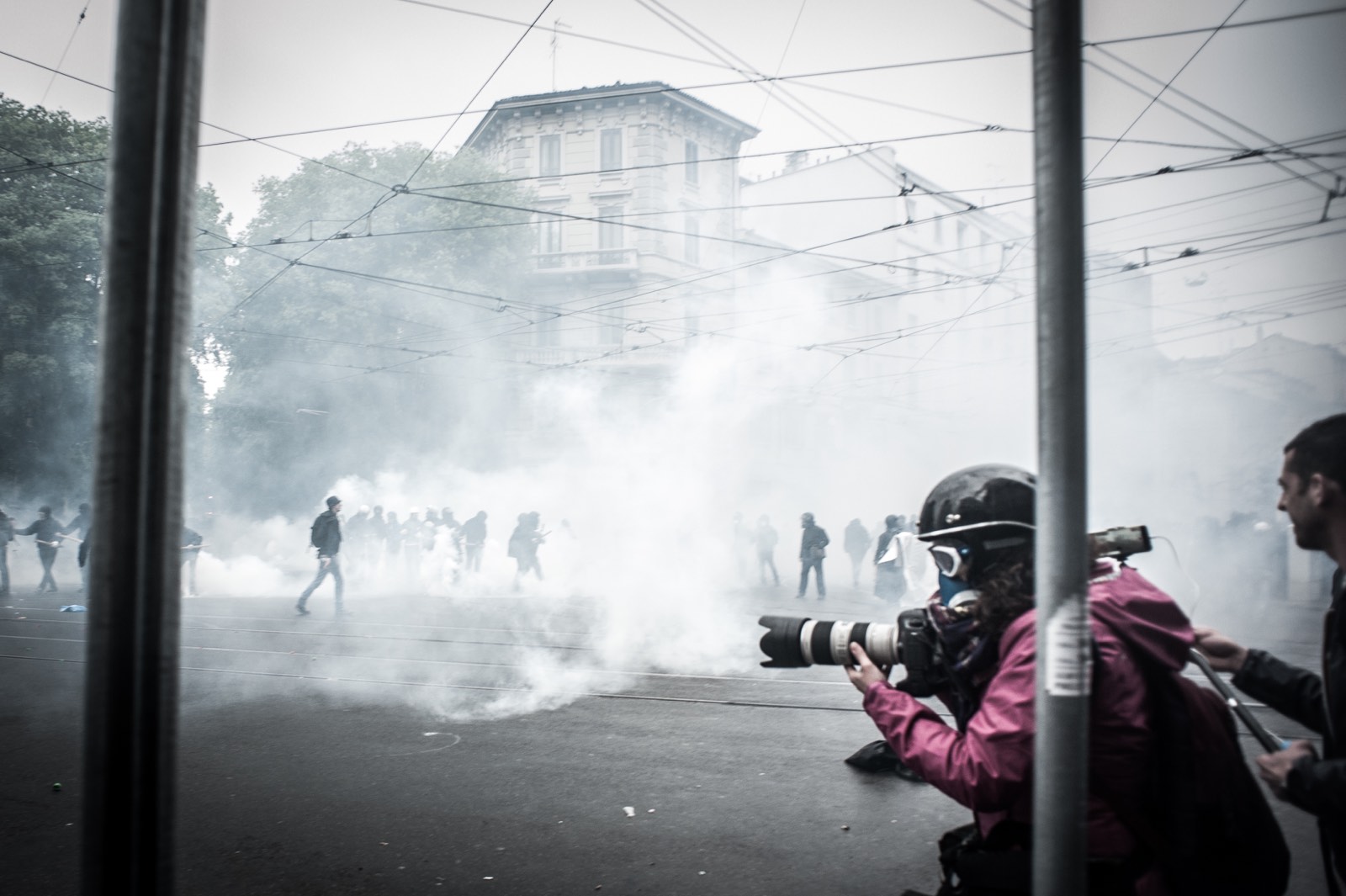
- Violence flaring during protests or unrest
- Targeting when you are identifiable as media
- Equipment loss, device seizure, hostile questioning
Then match those threats with mitigations: route planning, comms plans, safe accommodation, local advice, protective kit, and medical pathways.
Step 3: Plan for the local team and the fixer
Fixers and local producers are essential to reporting. They also face serious risk, often with less protection. If your plan protects the visiting journalist but not the local partner, it is not a complete plan.
For a deeper look at this issue, read: Unseen, unnamed, uncovered - the hidden risks faced by fixers in conflict zones.
Step 4: Confirm your cover matches the assignment
Do not wait until you are at the airport. Check these points early:
- Are you working locally or travelling abroad?
- Does the cover match the country and risk level?
- Do you understand what to do in an emergency?
- Do you have the policy details accessible on your phone?
Then choose the right quote route:
FAQs for journalists and freelancers
Does standard travel insurance cover journalists in conflict zones?
Often not. Many policies exclude war, civil unrest and terrorism, or restrict cover in places with travel warnings. If you are reporting in high-risk environments, you need cover designed for that context.
What should I do first if I’m injured or become seriously ill on assignment?
Follow your emergency instructions and contact the assistance team as soon as possible. Speed matters. Waiting for admin clarity wastes time when care needs arranging.
Which route should I use - local or travel?
Use local media cover if you are working inside your country of residence. Use travel cover if you are working outside your country of residence.
Next step: get a quote
The IFJ list is a reminder that journalism is being attacked in too many places, too often. We cannot fix that with insurance. But we can make sure that if something goes wrong, you are not left exposed, unsupported, or fighting exclusions when you should be focussed on recovery.
Get a quote now:
- Working in your country of residence - get a quote
- Working outside your country of residence - buy online
Want help choosing the right route? Use the guidance in our News section: insuranceforthemedia.com/news.
Reference: IFJ final 2025 list of 128 journalists and media workers killed.
Other articles
view all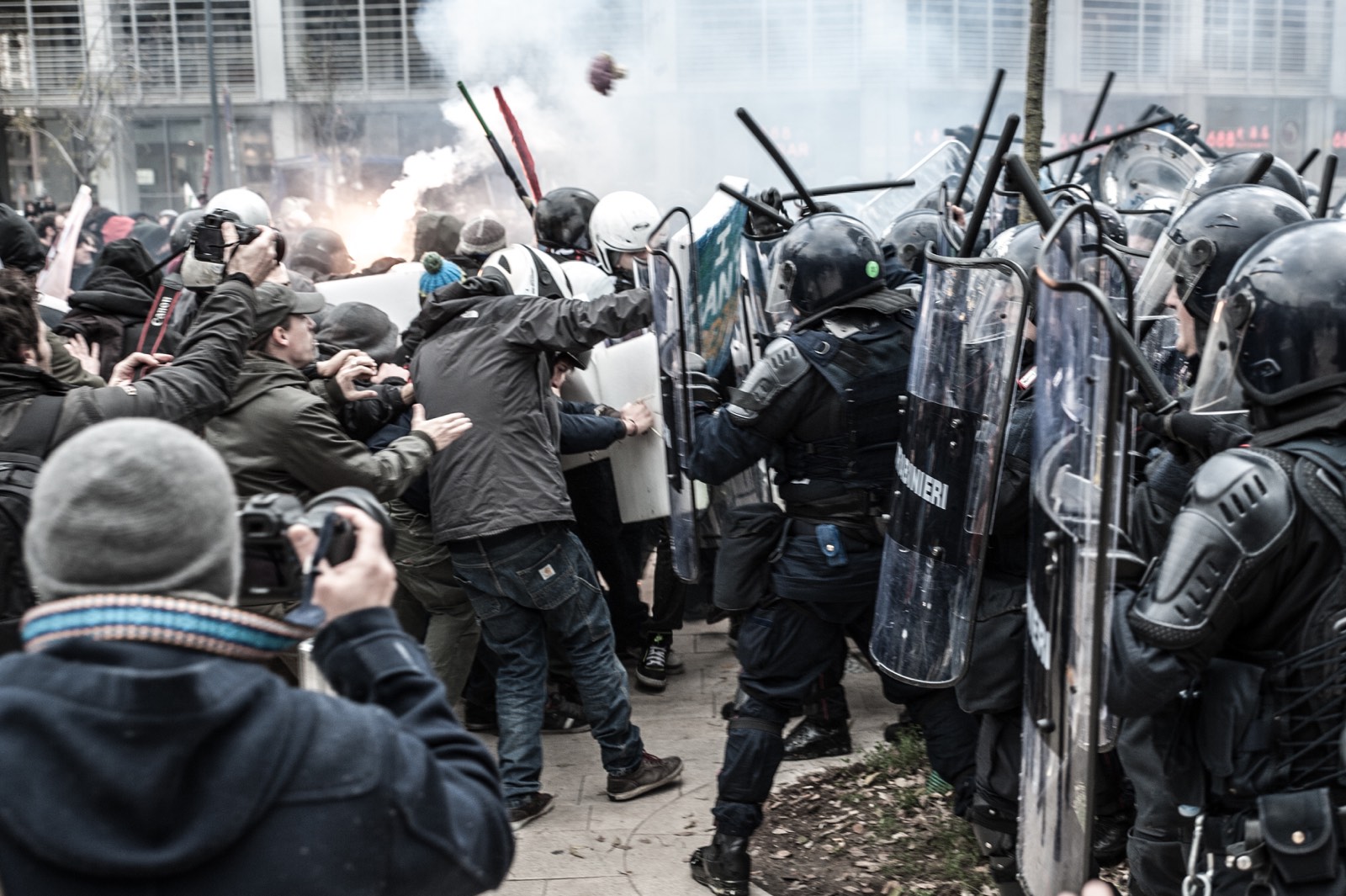
NEED FULLY BESPOKE COVER FOR YOUR TEAM?
Get StartedWHO ARE WE?
Insurance For Group administer specialist insurance schemes for members of the media including journalists and local media workers worldwide.
COMPANY INFORMATION
Insurance for Ltd are administrators of specialist insurance schemes insured by Atlas Life Insurance (PCC) Ltd which is licensed and regulated by the Seychelles Financial Services Authority. This scheme is 100% reinsured by Lloyds of London.
WHO DO WE WORK WITH?
ACOS Alliance
Frontline Freelance Register
PayDesk
The International Press Institute
The Inter American Press Association
The Foreign Correspondent Association of East Africa and others.
SIGN UP TO LATEST NEWS, rates AND OFFERS
To receive occasional information about rates and media safety sign up for our newsletter. You can unsubscribe at any time.
CONTACT US
⚠ Make An Emergency Claim ⚠
Email: info@insuranceforgroup.com
Registered office: Insurance For Ltd. Rsm Fifth Floor, Central Square, 29 Wellington Street, Leeds, England, LS1 4DL, UK
Company Registration No: 09879856
Privacy/Cookies Policy | Terms and Conditions Policy