
Insurance for journalists working in conflict zones – what you need to know

Last updated: January 2026
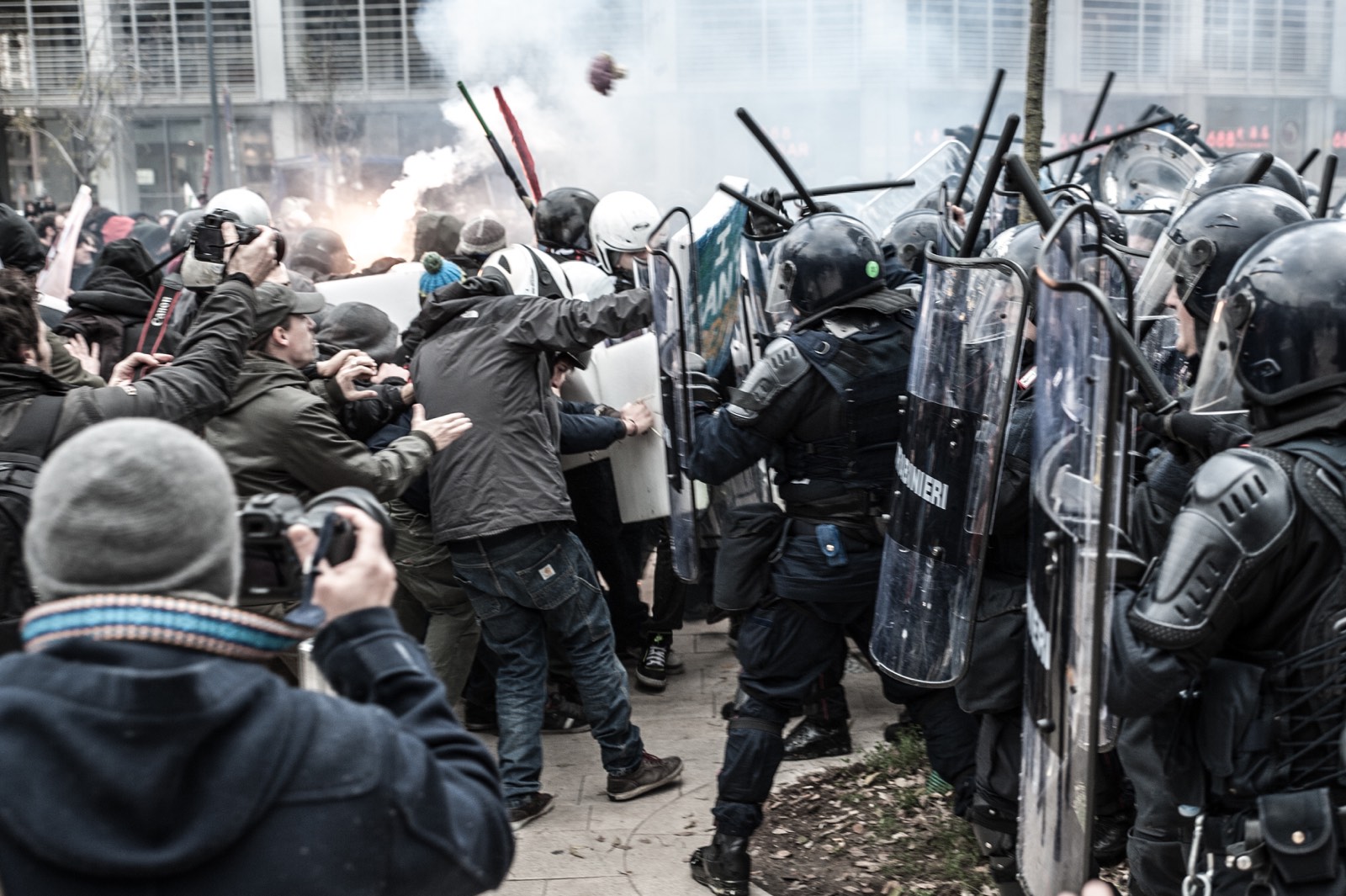
Journalists working in conflict zones face risks that standard travel insurance does not cover.
This guide explains what insurance journalists need when working in hostile or high-risk environments, what typical policies exclude, and how specialist media insurance works in practice.
It is written for freelance journalists, camera operators, fixers, producers and media teams working internationally.
Jump to section
- Do journalists need specialist insurance?
- Does standard travel insurance cover war zones?
- What risks should journalists insure against?
- What is conflict zone insurance?
- What insurance do freelance journalists need?
- Are fixers and local teams covered?
- What locations are considered high risk?
- What is usually excluded?
- How to choose the right cover
Do journalists need specialist insurance?
Yes, if you are working in or near a conflict zone.
Most standard travel insurance policies exclude war, civil unrest and professional activity such as journalism or filming. That means the policy may be invalid even if it appears active.
Specialist insurance exists because journalism in hostile environments carries known and predictable risks that general insurers are not set up to cover.
Related: Insurance for journalists and media professionals
Does standard travel insurance cover war zones?
In almost all cases, no.
Standard travel insurance is designed for holidays and low-risk business travel. It typically excludes:
- Active conflict areas
- Countries under government travel warnings
- Terrorism and political violence
- Deliberate exposure to danger
- High-risk professional activity
A common issue is claims being declined after the event, once the insurer reviews where the work took place and what activity was involved.
Unsure whether your current policy would respond in a conflict zone?
Check before you travel. We can review what you have and explain any gaps.
What risks should journalists insure against?
Journalists working in hostile environments typically need cover for:
- Serious injury or death
- Overseas medical treatment
- Emergency medical evacuation
- Political evacuation
- Detention or arrest
- Kidnap and ransom
- Accidental injury during professional work
The right mix depends on location, role and duration. Specialist policies are assessed on those details rather than sold as generic products.
What is conflict zone insurance?
Conflict zone insurance is specialist personal accident and medical cover designed for people working in or around active conflict areas.
It can include:
- Cover in countries excluded by standard insurers
- Emergency evacuation from unstable regions
- Access to specialist medical and security support
- Policies built around real reporting environments
Approval is usually based on where you are going and what you are doing, not a blanket country list.
Related: Conflict zone insurance for media teams
What insurance do freelance journalists need?
Freelance journalists are often the most exposed.
Many freelancers assume a commissioning outlet will provide cover. In reality, this is often limited or does not exist at all.
Freelancers typically need:
- Personal accident cover in their own name
- Medical and evacuation cover that follows them across assignments
- Policies that do not rely on employer sponsorship
If you work independently, the policy should clearly state that freelance journalism is covered.
Freelancer heading into a high-risk assignment?
You don’t need a long-term contract to get the right cover.
Are fixers and local teams covered?
Not automatically.
Fixers, translators, drivers and local crew are often exposed to the same risks as international journalists. They are also the most likely to be overlooked when insurance is arranged.
Specialist policies can include cover for local teams, but they must be named or included explicitly. Assuming cover exists without checking can leave people unprotected.
This is both a practical and ethical issue for media organisations.
What locations are considered high risk?
High-risk locations are not limited to declared war zones.
They can include:
- Countries experiencing civil unrest
- Regions with political violence or terrorism
- Border areas with unstable security conditions
- Locations where risk changes rapidly
Risk is assessed dynamically. A location can move from low to high risk very quickly.
What is usually excluded even from specialist policies?
No policy covers everything.
Common exclusions may include:
- Deliberate unlawful acts
- Working without required visas or permissions
- Ignoring security or evacuation advice
- Undeclared pre-existing medical conditions
- Non-disclosed high-risk activity
Clear disclosure matters. Specialist insurance works best when the insurer understands exactly what you are doing.
How do you choose the right cover?
Start with simple questions:
- Where am I going?
- What am I doing?
- Who am I responsible for?
- What would happen if I needed urgent help?
If a policy cannot answer those questions clearly, it is unlikely to be suitable.
Good specialist insurers focus on response and support, not just policy wording.
Final thoughts
Journalism in conflict zones carries real risk. Insurance cannot remove that risk, but the right cover can reduce uncertainty when something goes wrong.
Standard travel insurance is rarely enough. Specialist media insurance exists because this work is different.
If you are unsure whether your current insurance would respond in a hostile environment, it is worth checking before you travel.
Want to check if you’re properly covered?
We work with journalists and media teams operating in high-risk environments worldwide.
Other articles
view all
NEED FULLY BESPOKE COVER FOR YOUR TEAM?
Get StartedWHO ARE WE?
Insurance For Group administer specialist insurance schemes for members of the media including journalists and local media workers worldwide.
COMPANY INFORMATION
Insurance for Ltd are administrators of specialist insurance schemes insured by Atlas Life Insurance (PCC) Ltd which is licensed and regulated by the Seychelles Financial Services Authority. This scheme is 100% reinsured by Lloyds of London.
WHO DO WE WORK WITH?
ACOS Alliance
Frontline Freelance Register
PayDesk
The International Press Institute
The Inter American Press Association
The Foreign Correspondent Association of East Africa and others.
SIGN UP TO LATEST NEWS, rates AND OFFERS
To receive occasional information about rates and media safety sign up for our newsletter. You can unsubscribe at any time.
CONTACT US
⚠ Make An Emergency Claim ⚠
Email: info@insuranceforgroup.com
Registered office: Insurance For Ltd. Rsm Fifth Floor, Central Square, 29 Wellington Street, Leeds, England, LS1 4DL, UK
Company Registration No: 09879856
Privacy/Cookies Policy | Terms and Conditions Policy